Our Railway Products
Purpose-built technology solutions engineered to deliver reliability, safety, and intelligent automation across industrial and transportation systems.
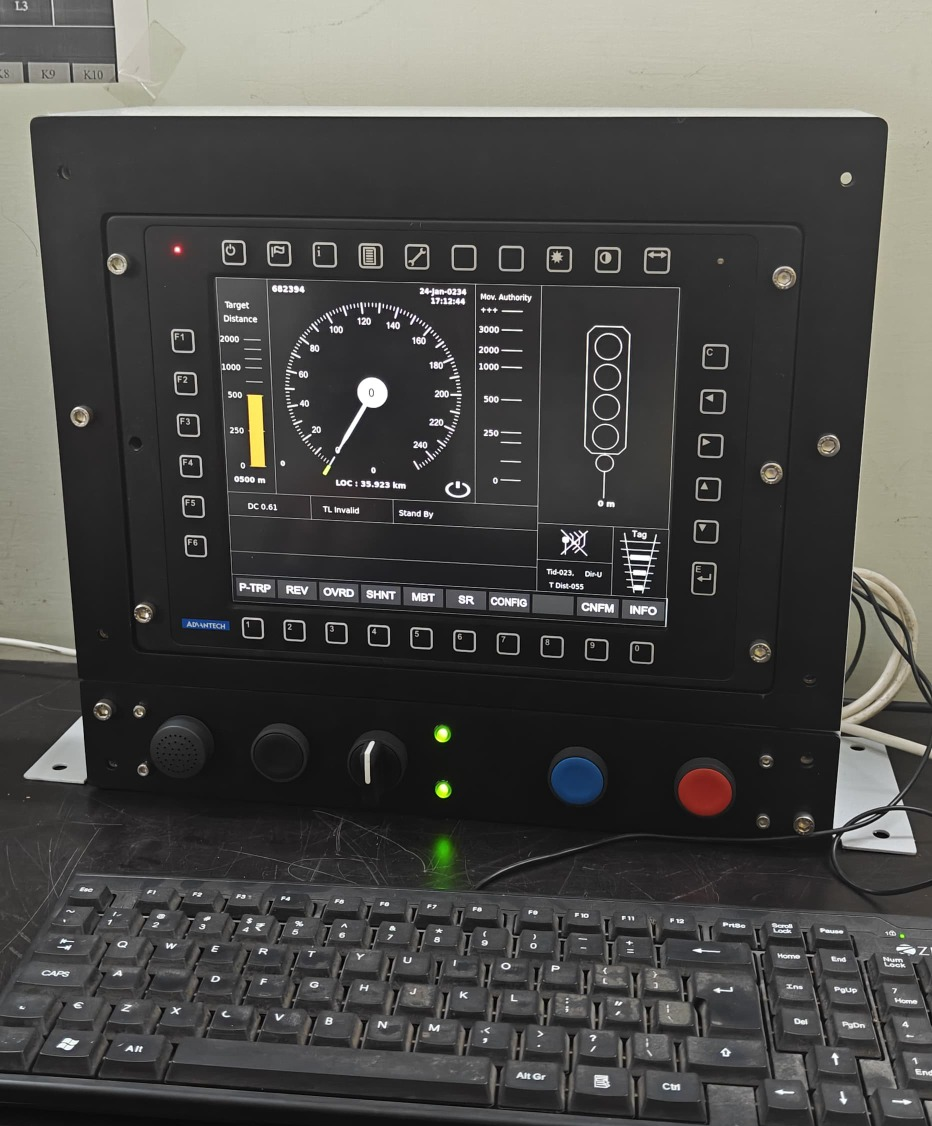
Driver Machine Interface (DMI)
A rugged, safety-critical Driver Machine Interface designed for railway and industrial environments. It delivers real-time operational intelligence to enhance safety and driving accuracy.
- Real-time speed, signal & target distance display
- High-visibility industrial grade touchscreen
- Emergency alerts and system warnings
- Designed for harsh environmental conditions
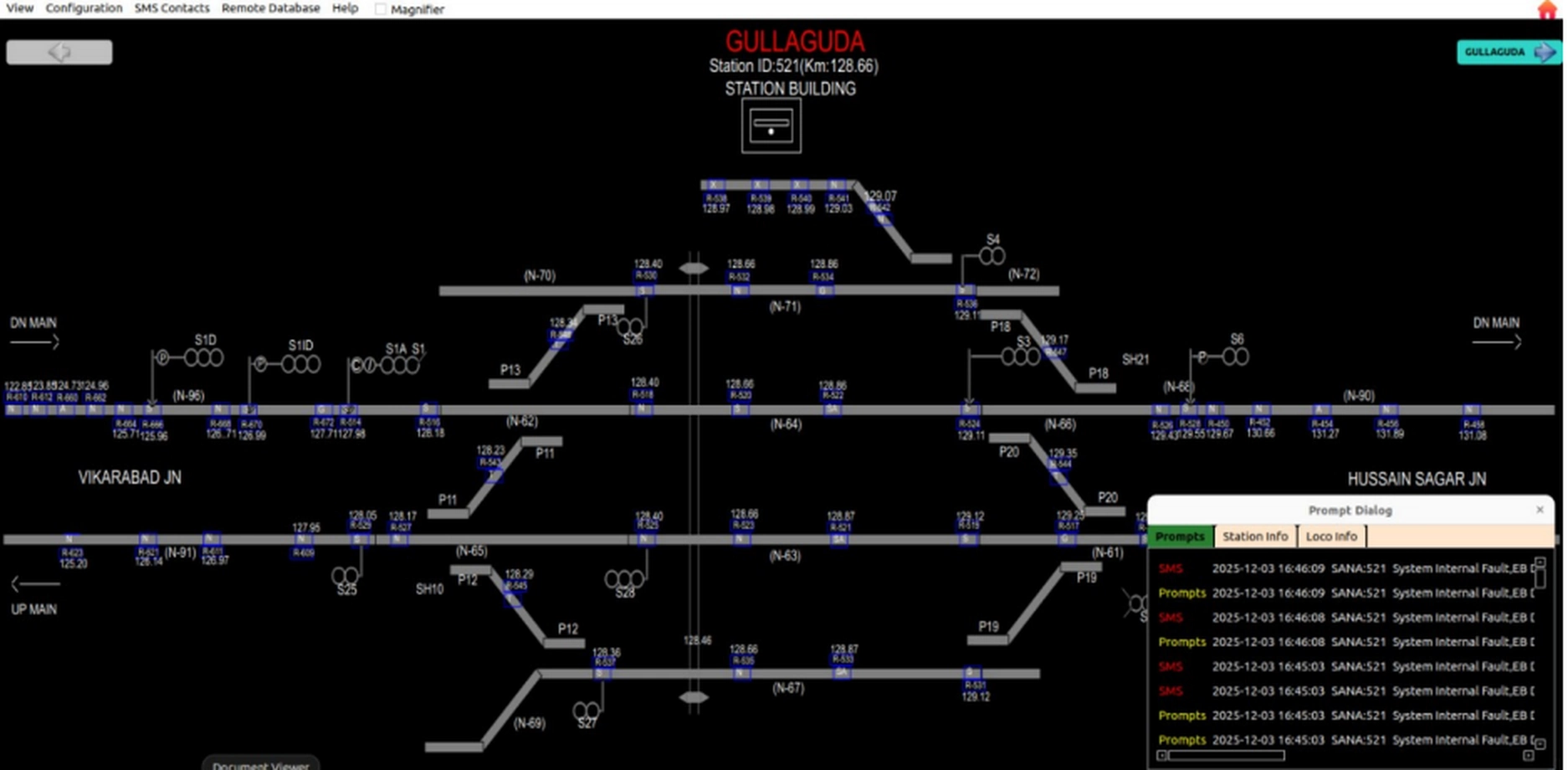
Network Monitoring System (NMS) for KAVACH
Network Monitoring System (NMS) for KAVACH is a centralized system for monitoring and managing the Loco and Station operations. NMS perform the following actions with a secure and synchronized environment.
- Real-time Data Collection & Monitoring: Tracks train position, signal aspects, speed, brake commands, system faults, and operational events.
- Fault and Exception Alerts: Detects missing RFID tags, signal pocket loss, SPAD incidents, and sends SMS alerts to the maintenance team.
- Data Logging & Reporting: Stores event logs, speed profiles, brake activations, supports offline data retrieval, and generates detailed reports.
- Ideal for agriculture and industrial automation
 side view.jpeg)
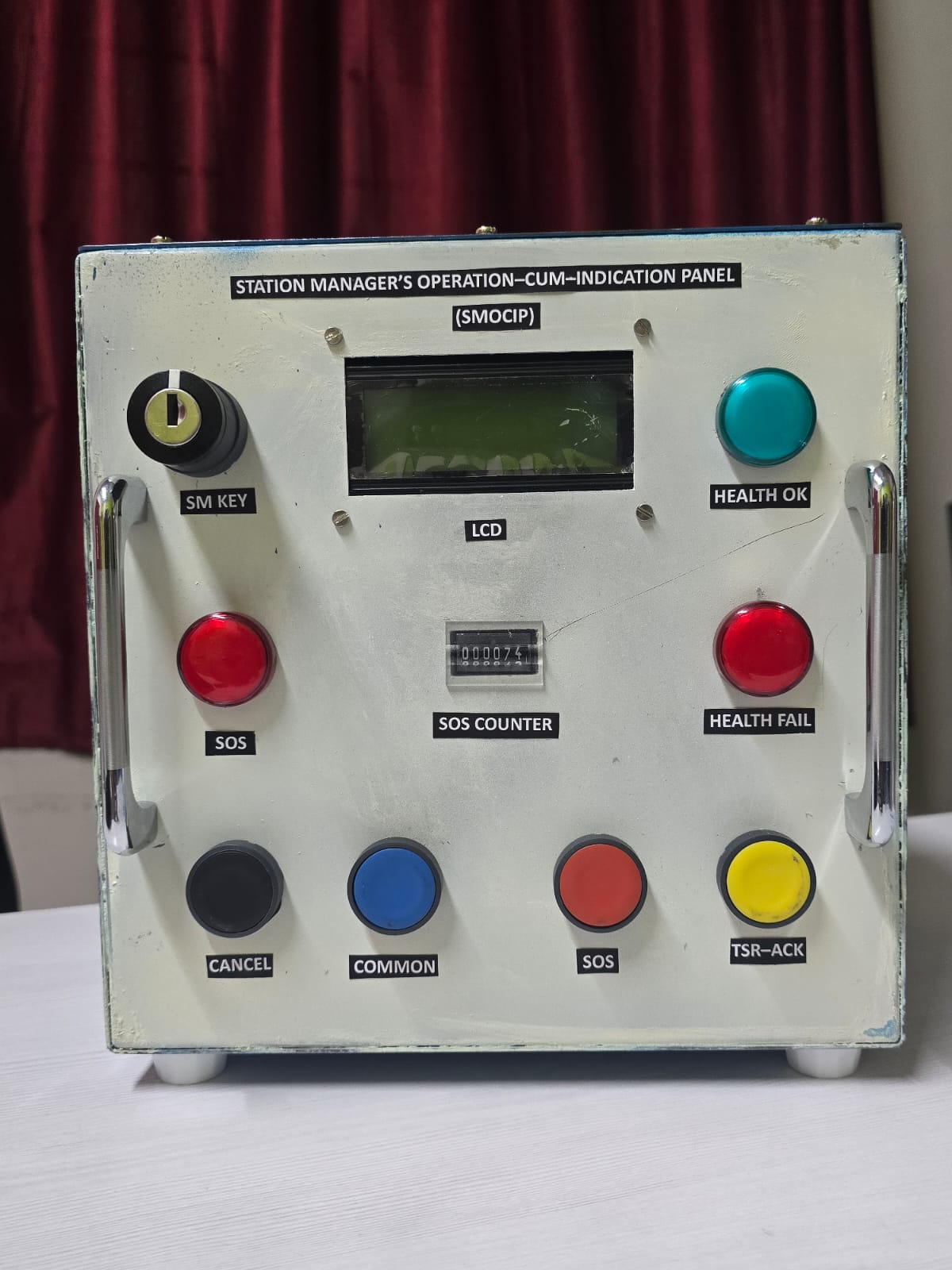
Station Master Operation cum Indication Panel(SMOCIP)
Station Master Operation cum Indication Panel is a critical control and display unit used by the Station Master to securely interact with the Kavach (Automatic Train Protection) system.
- SOS Operations: Allows the Station Master to manually generate or cancel SOS (Emergency) messages to stop trains in the vicinity of danger.
- System Monitoring: Provides real-time LED and LCD indications for SOS reception, system health, and train statuses within the station's jurisdiction.
- Message Acknowledgement: Enables the Station Master to view and acknowledge warning messages received from the Kavach network.
- Authorized Access: Operations can only be performed when the Station Master's physical key is inserted and turned to the 'ON' position, preventing unauthorized tampering.
- Network Interface: Continuously communicates with the stationary Kavach unit via UHF radio or signaling cables to receive train location and speed.
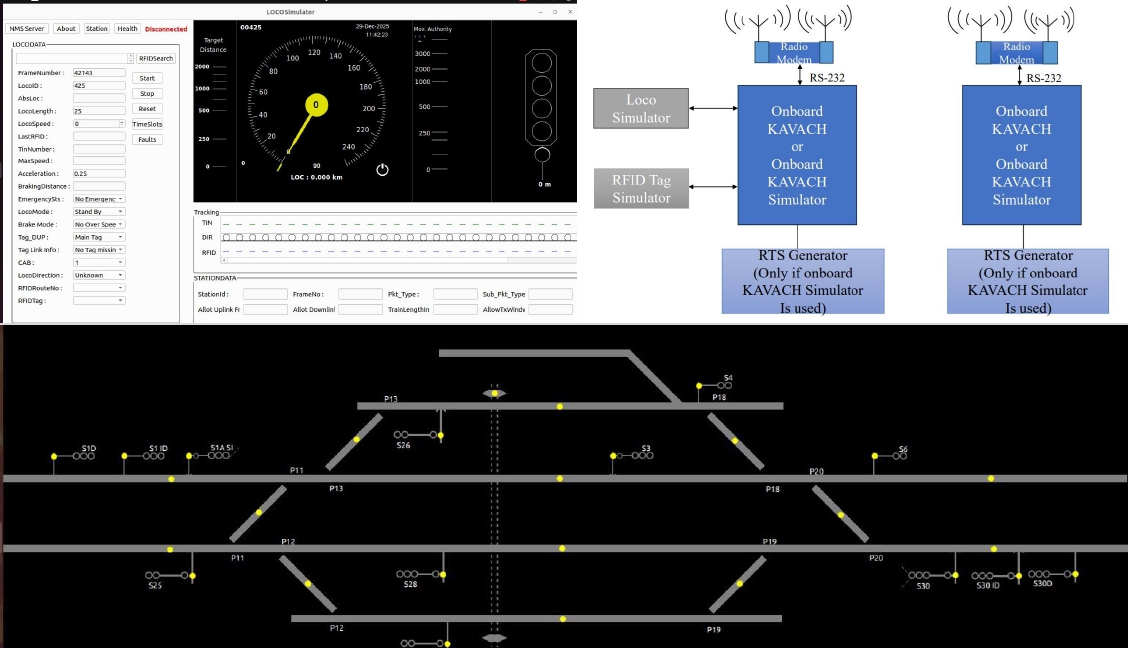
KAVACH Simulator
KAVACH Simulator works as a comprehensive, portable simulation platform capable of emulating locomotive side of KAVACH system and also Station side which helps in routing test, FAT, SAT, validation, training and troubleshooting activities. Station Simulator is also capable of drawing station layout and allow users to configure routes, simulate train movements, validate signaling/ATP response and test station KAVACH without the need of filed deployment. These simulators shall communicate with actual Railway Radios, GSM/GPS and KMS systems to fully demonstrate SAT requirements of RDSO.
Get Demo Video
Event Logger
Event Logger is designed as a dedicated, time-synchronised recording subsystem that captures operational, communication, diagnostic and fault events from the onboard KAVACH equipment. The currently referenced KAVACH SRS is RDSO/SPN/196/2020 Version 4.0.
- Time-Synchronised Event Recording: Captures operational, communication, diagnostic, and fault events from onboard KAVACH equipment with precise timestamping.
- GPS/GNSS Status Logging: Records positioning system status as part of the mandated event-logging requirements.
- Communication Monitoring: Logs GSM/commercial LTE communication status, RFID failures, and radio failures.
- NMS Integration: Transmits fault information to the Network Monitoring System (NMS) for centralized tracking and analysis.
- Compliant with RDSO/SPN/196/2020 Version 4.0 event-logging requirements.
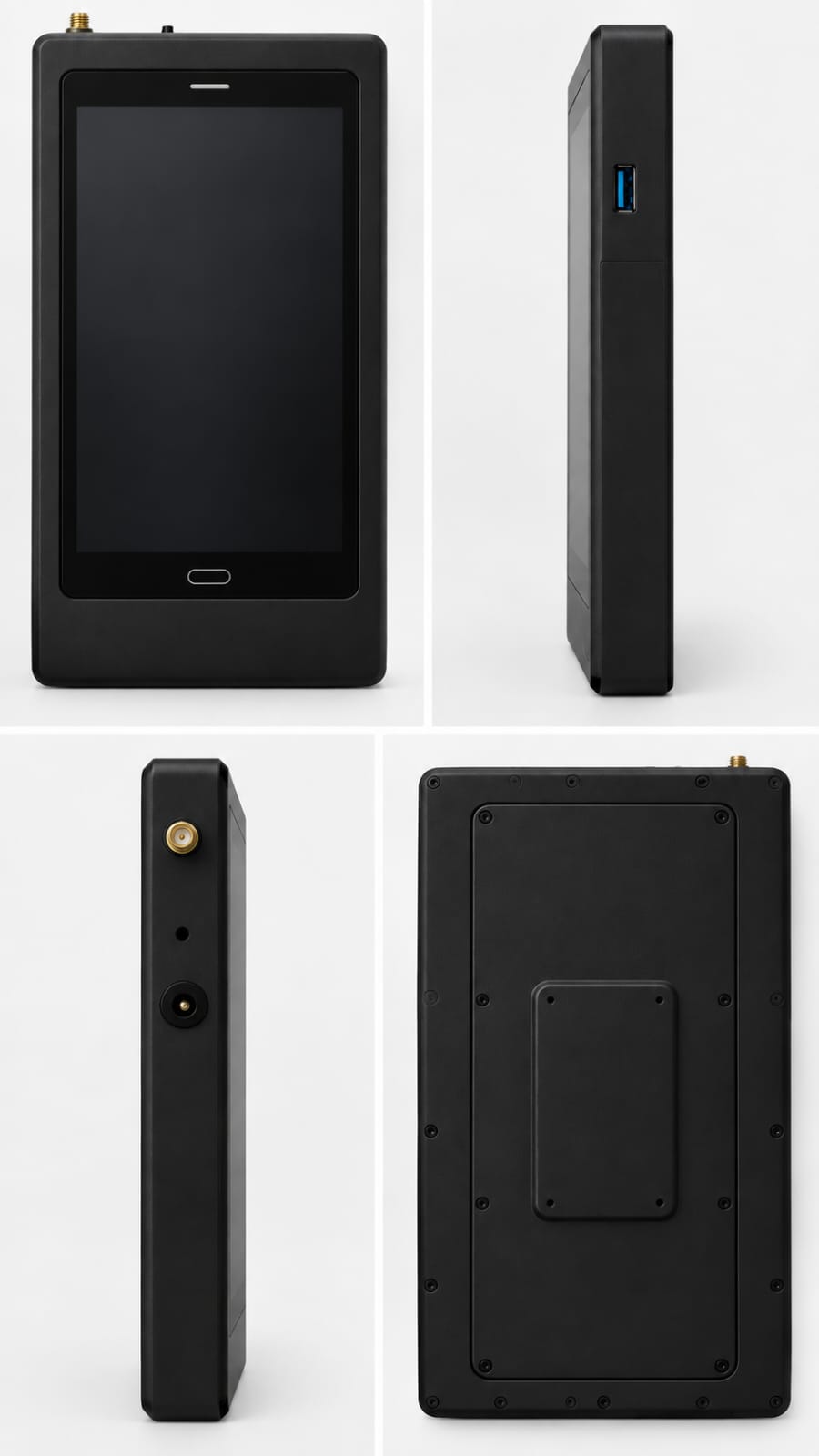
Fog Pilot Assistance System for Safety (FogPASS)
Fog Pilot Assistance System for Safety is a GPS-based navigation and warning device used by Indian Railways to assist Loco Pilots during dense fog and poor-visibility conditions. It provides visual and voice information about approaching railway landmarks. The current RDSO specification I found is RDSO/SPN/201/2010, Version 3.0, issued 6 February 2025.
An important change in the 2025 RDSO Version 3.0 specification is that the FogPASS unit is required to have an inbuilt LTE/4G/5G module, with fallback through available networks, and an M2M SIM/eSIM option. This allows route files and associated data to be received from a central server over the air.
Get Demo Video